Poster
Conference Poster

A high-level strategic and scientific dialogue on integrated administrative data systems and territorial governance of emerging regional economies.
Territorial development in the 21st century is no longer determined by geography alone — it is shaped by data. The Guelmim-Oued Noun region stands at the crossroads of a decisive transformation, as Morocco consolidates its strategic positioning as a logistics platform along the Africa-Atlantic axis. It is in this context that Data & Territories 2026 stands as a leading international conference, dedicated to strengthening exchanges and cooperation between researchers, academics, and institutional professionals from around the world.
The Danish model — Statistics Denmark — serves as a central reference for identifying transferable lessons for the Moroccan context and inspiring the modernisation of HCP's data infrastructure. Spatial economic intelligence relies on a continuous, three-part process: statistical authorities produce reliable, comprehensive, and interoperable data; researchers transform these into robust spatial models; institutional decision-makers use them to base their investment decisions on solid reasoning rather than intuition.
The Danish model — Statistics Denmark — serves as a central reference for identifying transferable lessons for the Moroccan context.
This list is indicative and non-exhaustive.
Submissions open to researchers, PhD students, practitioners, and institutional actors. Abstract max. 300 words.
Open call — Submissions are not limited to the tracks listed above. Any contribution on data, territories, and spatial economic intelligence is welcome.
Articulated around knowledge transfer, public policy calibration, and institutional building.
Day 1: In-person plenary sessions · Day 2: Parallel thematic workshops in hybrid format.
| Time | Session | Content | Speaker(s) |
|---|---|---|---|
| 09:30 – 10:00 | Welcome | Networking for invited experts and institutional delegatesPress briefing on the strategic importance of the Guelmim-Oued Noun corridor | Bilateral networking |
| 10:00 – 10:20 | Session I — Opening | Official Opening CeremonyInstitutional addresses: FEGG Dean · Regional Council President · CRI Director · HCP Director. Strategic framing of conference objectives. | Opening Ceremony |
| 10:30 – 11:15 | Session II — The Danish Model | Using administrative data in the Danish modelGeospatial data and integrated statistical registers as the foundation of evidence-based territorial policy. Klaus Munch Haagensen — Statistics Denmark |
Lead Expert — Statistics Denmark |
| 11:30 – 12:30 | Session III — Institutional Actors | HCP & CRI: data and territorial needsHCP: Advances in the digitization of statistical data in cooperation with Statistics Denmark. CRI: Spatial data needs and decision-support models for regional investment. El Ouatassi Mohamed Amine · El Houch Mohammed |
Public institution experts |
| 12:30 – 14:15 | Lunch | Lunch & bilateral networkingLunch facilitating bilateral exchanges between institutional delegates and invited researchers | Strategic networking |
| 14:30 – 15:15 | Session IV — Data for Research | Combining data across statistical registersData services and research infrastructure for academics and public institutions. Klaus Munch Haagensen — Statistics Denmark |
Lead Expert — Statistics Denmark |
| 15:15 – 16:30 | Session V — Data Science |
Researcher presentations
The Future is Now: Agentic AI in service of development and education — El Hajji Mohamed
From PAC theory to deep learning in territorial data — El Habouz Youssef
Can we control the Market? Linking AI and dynamic systems in finance — Karite Touria
|
Researchers |
| 16:40 – 17:20 | Session VI — Territorial Diagnostics |
Researcher presentations
AI for territories: Towards Smart, Sustainable and Resilient Agricultural Territories — Belattar Sara
Mapping Perceived Performance of Territorial Authorities through Spatial Econometrics — Benjouid Zakaria
|
Researchers |
| 17:30 – 18:00 | Session VII — Policy Roundtable | Structured dialogue between scientists and institutional decision-makersIdentification of policy recommendations. Review of the cooperation roadmap. First reading of the Guelmim Declaration. | Invited experts & public |
| 18:00 | Day 1 Close | Official close of the plenary dayPresentation of participation certificates and gifts to invited speakers | Organizing Committee |
| 19:30 | Gala Dinner | Gala Dinner | — |
| Time | Content |
|---|---|
| 09:00 | Registration & WelcomeOn-site registration; videoconference link sent to remote participants. |
| 09:30 | Introductory Plenary SessionPresentation of workshops, working methods and instructions for participants. Signing ceremony of a cooperation agreement between the CRI and HCP. |
| 10:00 – 12:30 |
Parallel Workshops — 4 simultaneous workshops (hybrid mode)
Each workshop is accessible in person (dedicated room, FEGG/CRI) and remotely by videoconference. Presentations may be given in either format. Remote participants have full access to discussions and Q&A sessions.
Workshop A
Spatial Economics, Territorial Governance, Regional Investment & Finance
Workshop B
Data Science & Artificial Intelligence
Workshop C
Mathematical Modelling
Workshop D
Other
|
| 11:30 | Plenary Restitution — Rapporteurs from Workshops A, B, C & DEach workshop presents its conclusions, recommendations and points of consensus (20 minutes per workshop). |
| 12:00 | Official Closing CeremonyClosing address · Official communiqué · Distribution of participation certificates. |
| 12:30 – 14:00 | Closing Lunch |
Plan your participation with these key dates.
The legitimacy of this conference rests on the quality and complementarity of its institutional partners.



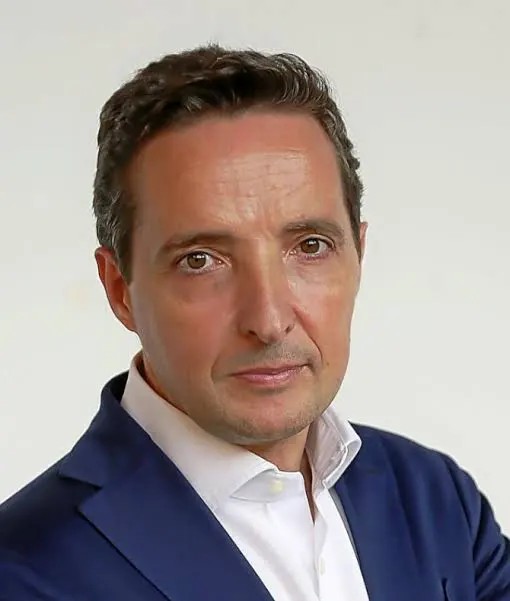
Eleven nationally and internationally recognized experts in the fields of administrative data, spatial econometrics, and territorial governance.
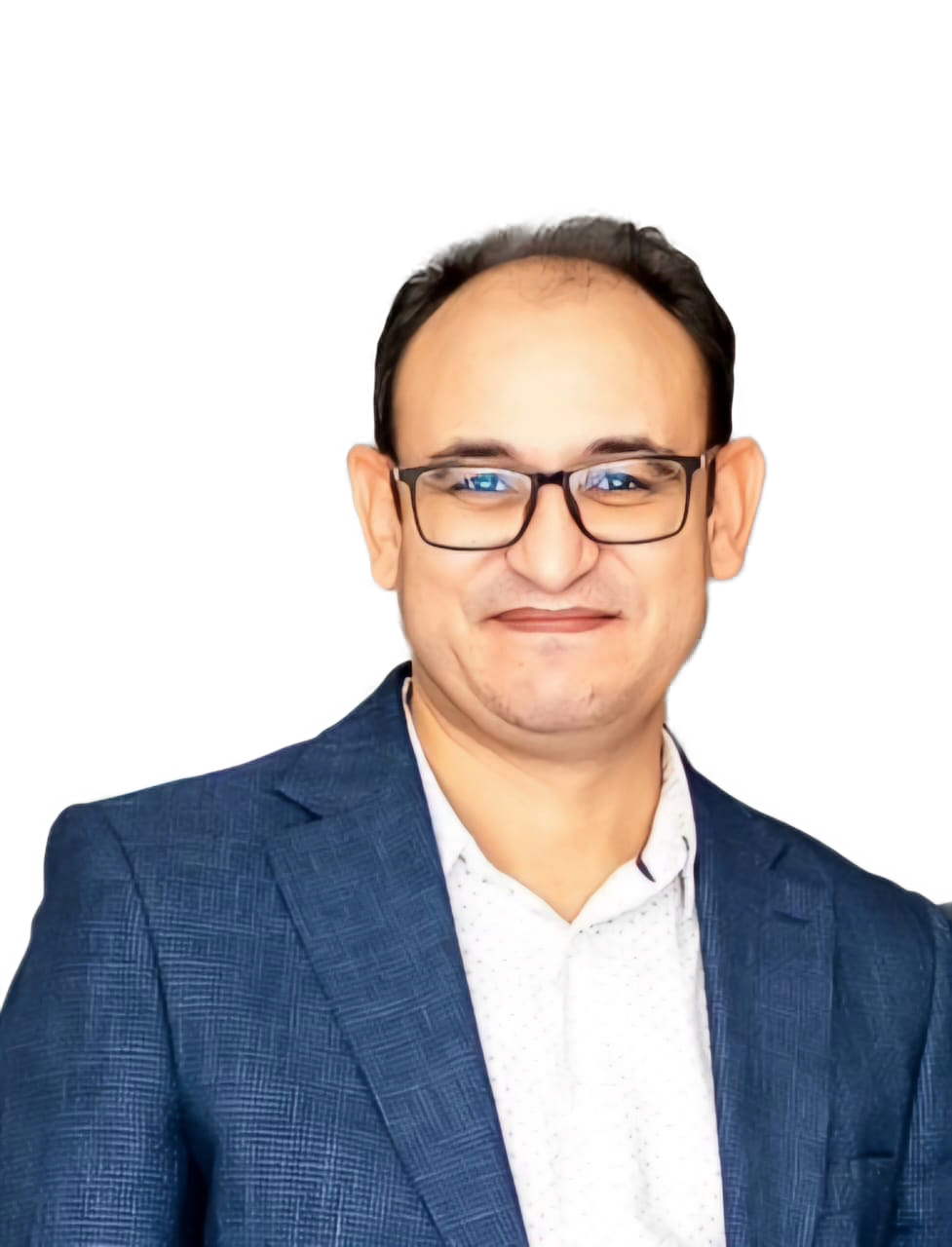
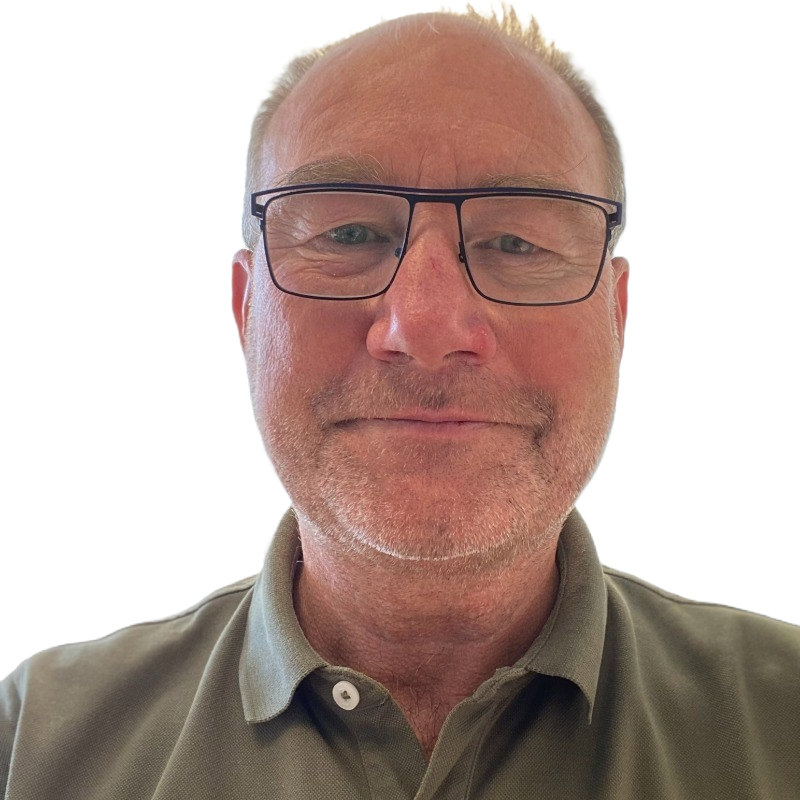
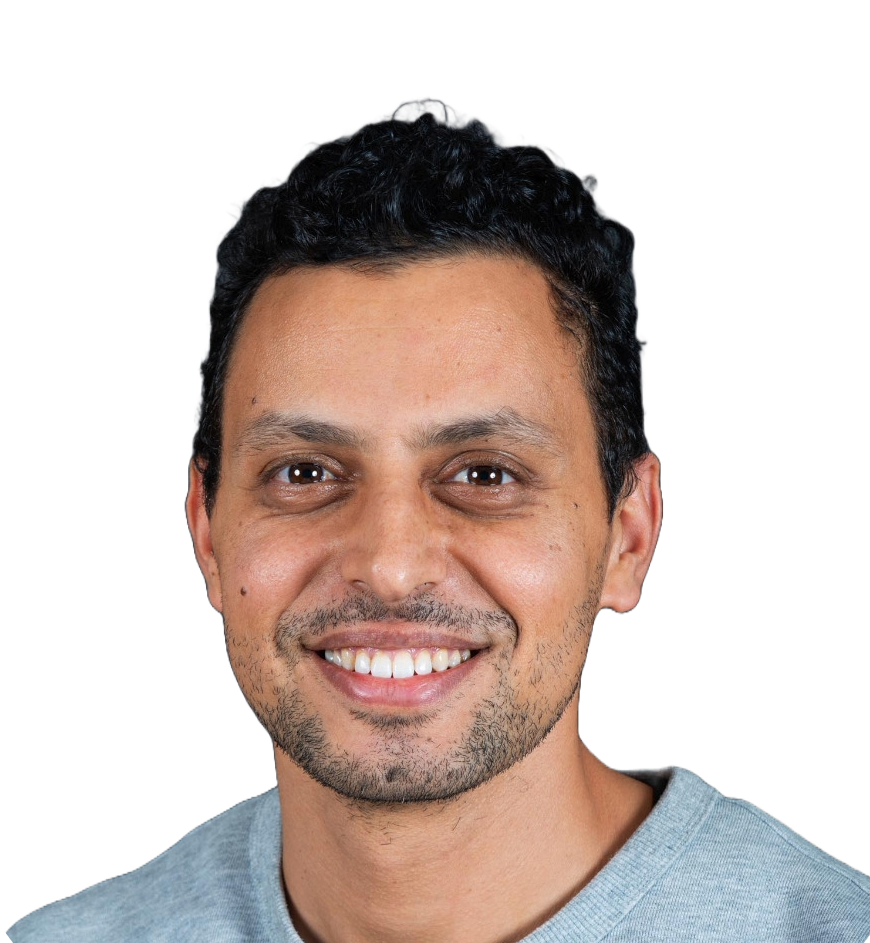
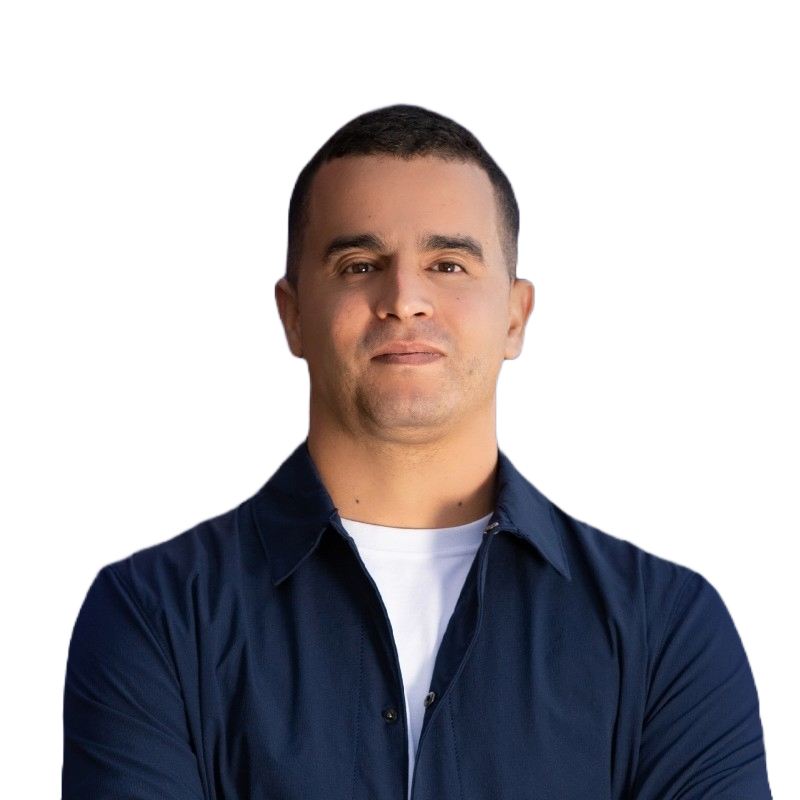
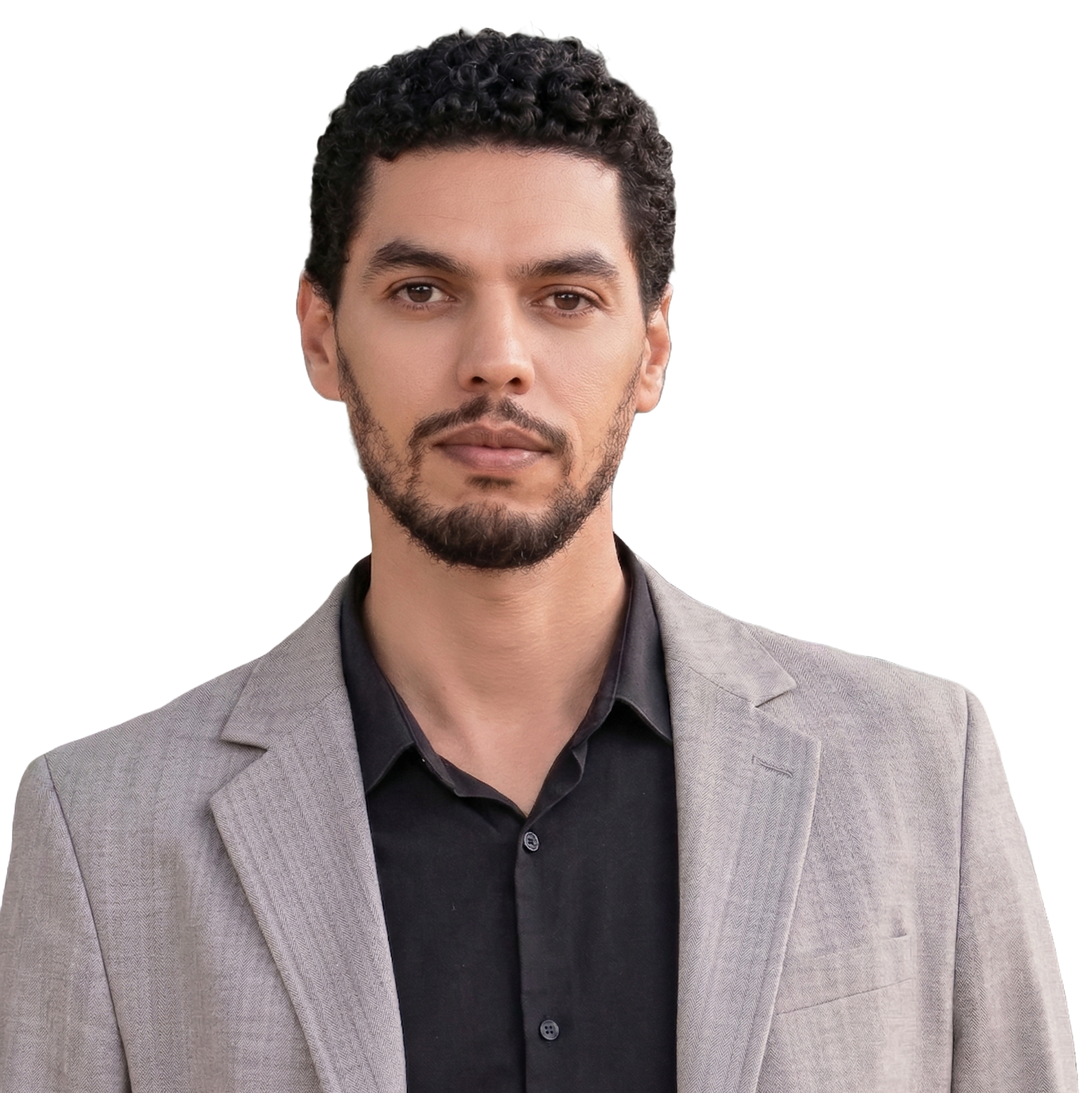
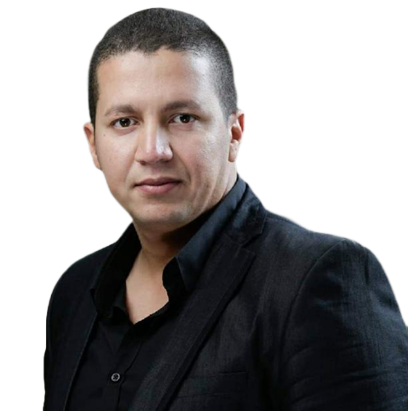
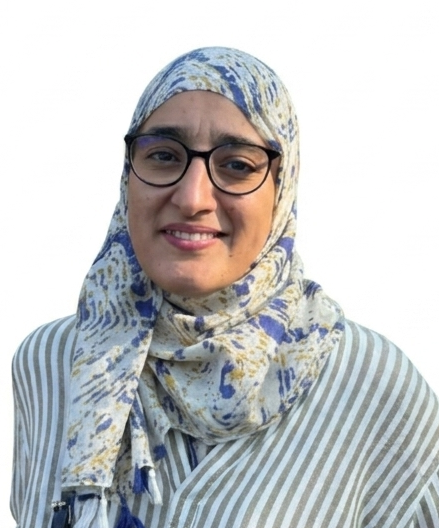
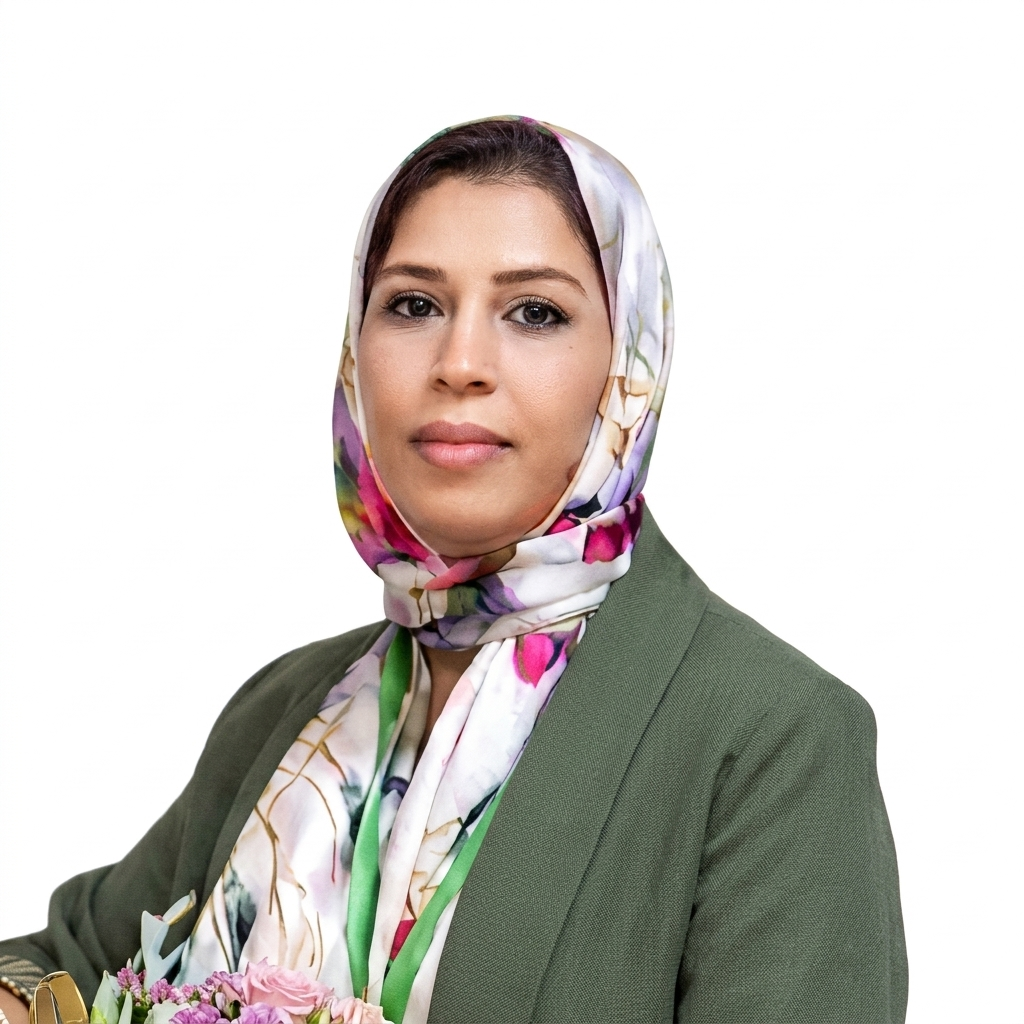
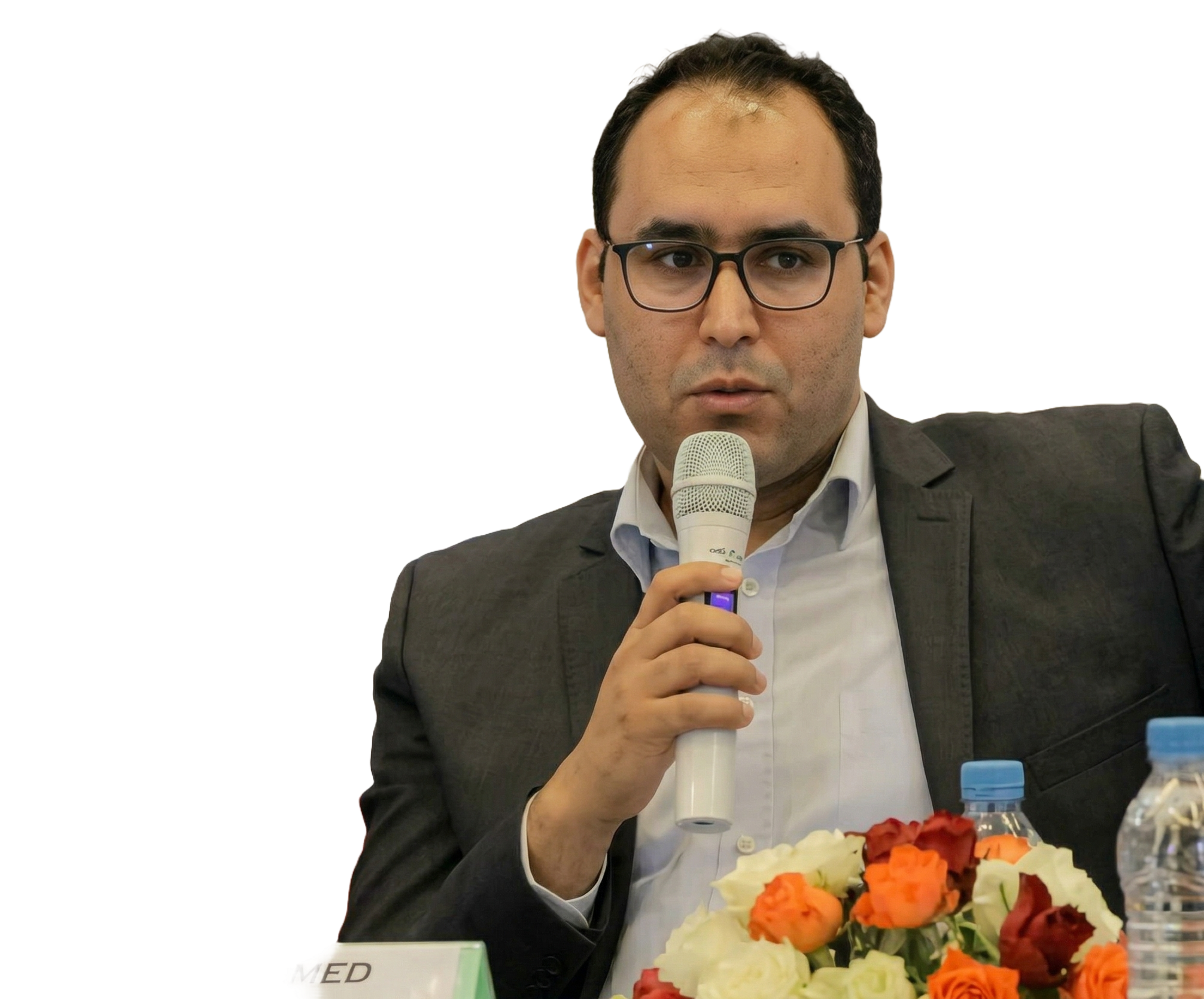

Distinguished members supporting the conference at the highest level.





The Guelmim-Oued Noun region holds a growing place in Morocco's logistics ambitions, at the heart of a strategic Atlantic-Africa corridor.
✉️ abaida.abdellah@uiz.ac.ma
📞 +212 (0) 672 20 61 88
✉️ elkabouss.abella@uiz.ac.ma